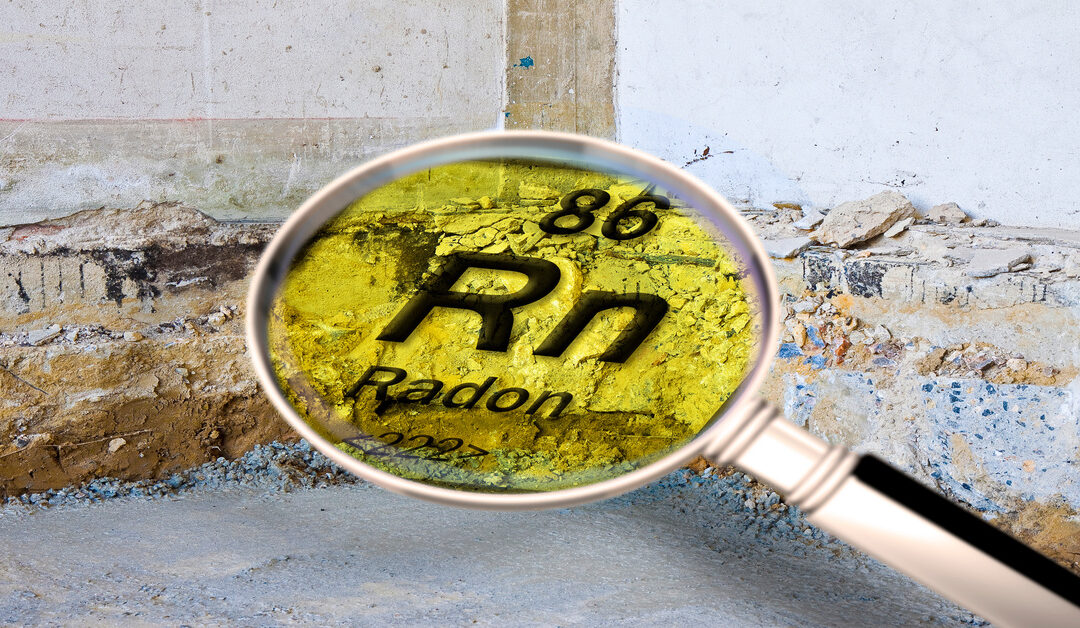
Radon is a colorless, odorless, radioactive gas that comes from the breakdown of uranium in soil and rock. It can slip into your home through tiny cracks in your foundation, putting you and your loved ones at risk, even though you can’t see or smell it. The only way to find out if your home has a radon problem is to test for it. Here’s what you need to know about the EPA’s radon action level to help you take the right steps to protect your family.
The Environmental Protection Agency (EPA) plays a vital role in keeping homeowners informed about radon. They set clear guidelines to help you reduce the threat before it endangers your household. Every homeowner deserves to feel safe, and facing radon head-on is one of the most important steps you can take.
What Is the EPA’s Action Level for Radon?
The EPA set the radon action level at 4.0 picocuries per liter of air (pCi/L). This isn’t a “safe” level. Instead, the EPA draws a line here and urges you to lower radon levels if your home tests at or above it. Even small amounts of radon increase your risk of lung cancer, so acting quickly remains crucial.
When a radon test reveals 4.0 pCi/L or more, the EPA encourages you to install a radon reduction system. These systems remove radon from beneath your home and vent it safely outdoors. Lowering your home’s radon as much as possible should be your top priority.
Should You Worry About Any Radon Level?
Absolutely. The action level is 4.0 pCi/L, but the EPA still suggests you consider reducing levels between 2.0 and 4.0 pCi/L. No radon exposure is truly safe, and your risk only rises as exposure increases or lasts longer.
How Do You Take Action if Radon Levels Are High?
If your test shows 4.0 pCi/L or higher, don’t wait. Reach out to a certified radon professional near you who can match your needs to the best solution. For example, a well-designed radon mitigation system in Colorado takes local soil and building codes into account, so you know you’re investing in quality protection. The right expert will install a system that gives you lasting peace of mind and keeps your home’s radon levels low.
Delaying action can put your family’s health at risk. A radon system, installed by a pro, quietly and continuously reduces radon in your home. It’s a powerful way to protect the people who matter most.
You hold the responsibility—and the ability—to safeguard your family. By testing for radon and knowing the EPA’s radon action level, you can take vital steps toward a healthier, safer home. If your radon level is high, call a certified specialist so you can breathe easier, knowing your home is secure.
Recent Comments