Radon is an invisible gas that can build up inside your home without any obvious warning. That’s why knowing the signs you have a radon problem in your home matters for long-term safety. While you can’t see or smell it, certain conditions can point to elevated levels. Knowing what to look for helps you take the next steps to fix any issues your home may have.
High Radon Test Results
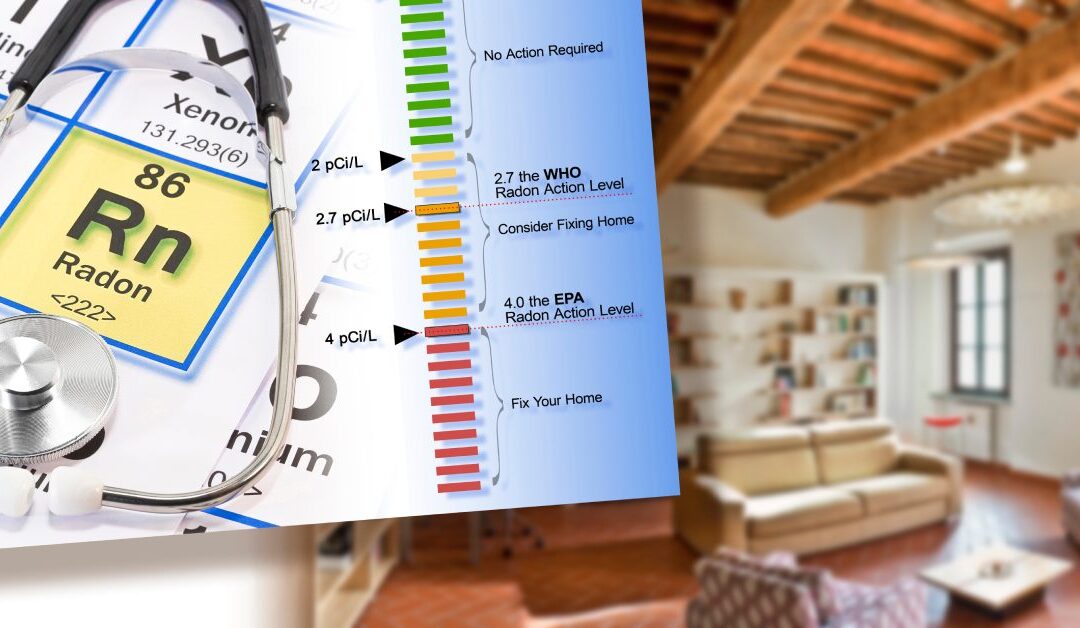
The most reliable way to identify a radon problem is through testing. Radon is measured in picocuries per liter (pCi/L), which shows how much radioactive material is in the air. The Environmental Protection Agency (EPA) recommends taking action when levels reach 4.0 pCi/L or higher.
If your results come back elevated, it’s a clear sign radon is entering your home. Even levels between 2.0 and 4.0 pCi/L may still need attention. A certified radon mitigation specialist can review your results and recommend a solution that lowers radon and improves your indoor air.
Cracks and Openings in the Foundation
Radon moves into homes through openings where the structure meets the soil. Small cracks in concrete floors or gaps around pipes can create entry points. Even unfinished sump pits may allow gases to pass through.
Homes with basements or slab foundations tend to face a higher risk. Over time, natural settling can create new pathways for radon. Sealing helps reduce entry points, but it usually isn’t enough on its own to control radon levels.
Changes in Indoor Air Pressure
Air pressure inside your home influences how radon behaves. When indoor pressure drops, it can pull gases from the soil into your home. This often happens during colder months when homes are sealed tight.
Everyday habits can also shift pressure levels, including:
- Running exhaust fans in kitchens or bathrooms.
- Using fireplaces or wood-burning stoves.
- Operating heating and cooling systems.
- Keeping windows closed for extended periods.
Because these conditions change throughout the year, radon levels can rise and fall. Testing at different times gives you a clearer picture of what’s happening in your home.
Increased Radon Levels in Your Region
Some regions naturally have higher radon levels due to soil composition, which makes testing especially important. Even neighboring homes can show very different results.
Real estate transactions often bring radon testing into focus. A high result during inspection can delay closing if it’s not addressed. Installing a mitigation system early helps keep the process moving and protects future occupants.
Take the Next Step Toward Safer Air
Recognizing the signs that you have a radon problem in your home is the first step toward improving indoor air quality. Since radon has no smell or visible warning, testing is the only way to confirm your levels.
Affordable Radon Services provides certified testing, clear reporting, and reliable mitigation solutions. Whether you need quick results for a home sale or long-term protection, our team delivers effective service you can trust. Contact us today to schedule testing and connect with a radon mitigation specialist.
Recent Comments