If you’re wondering whether sealing a basement helps reduce radon levels, you’re asking an important question. Many homeowners notice cracks in the floor or gaps around pipes and assume sealing those areas will completely solve the problem. While sealing can help reduce some radon entry points, it usually works best alongside professional testing and mitigation.
Radon is a colorless, odorless gas that forms naturally in the soil beneath your home. It can move through small openings in the foundation and build up indoors over time. The good news is that certified radon professionals can pinpoint where the gas is entering and recommend reliable solutions that help keep your family safe.
How Sealing Helps Slow Radon
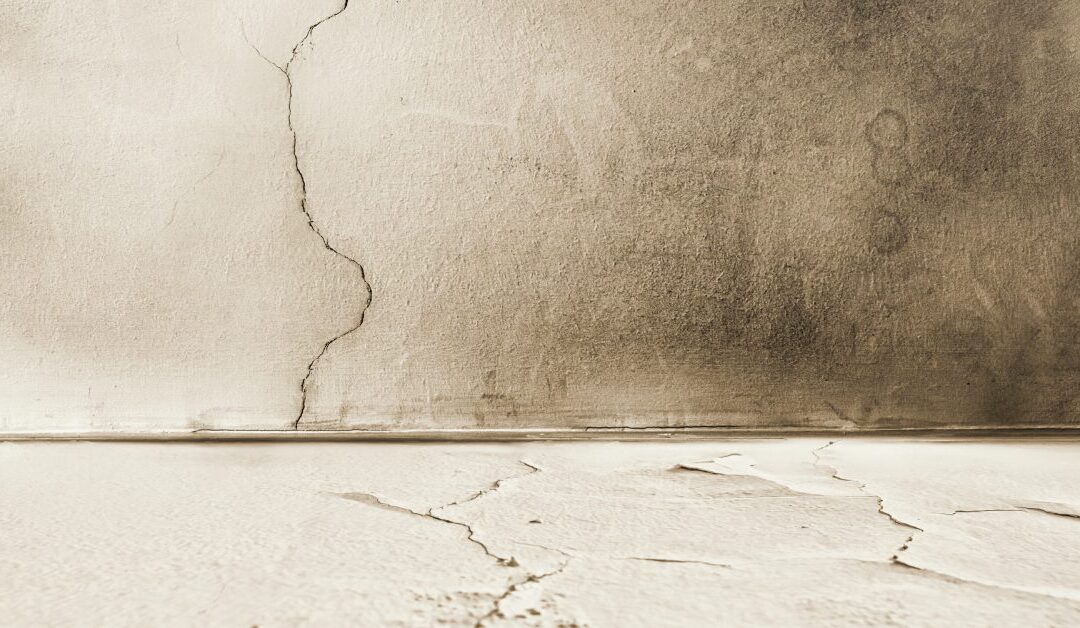
Basements often have small openings that allow radon gas to enter the home. Cracks in concrete floors, loose sump pit covers, and gaps around utility lines can all create pathways from the soil below.
Professional sealing helps limit those entry points. It can also improve how a mitigation system performs by reducing unwanted airflow through the basement. In some homes, sealing may even help reduce drafts and improve overall comfort.
Still, sealing works best as part of a larger radon reduction plan. A sealed basement allows mitigation systems to create stronger suction beneath the foundation, which helps move radon safely outside before it enters your living space.
Why Sealing Alone Usually Falls Short
Although sealing can help, it rarely fixes elevated radon levels by itself. Concrete naturally shifts as homes settle, and new openings can appear over time. Radon can also travel through hidden gaps beneath the foundation that homeowners cannot easily see.
When levels are high, active mitigation is usually the most effective option. These systems use a specialized fan and vent pipe to pull radon from beneath the home and release it safely outdoors. Professional radon abatement services focus on long-term reduction instead of a temporary improvement.
How Professionals Handle High Radon Levels
The most reliable approach starts with accurate testing and a clear plan. Certified specialists evaluate your foundation, basement layout, and current radon levels before recommending the right solution for your home.
A professional radon reduction plan may include:
- Testing the home to measure radon levels.
- Sealing visible cracks and foundation gaps.
- Installing an active mitigation system if needed.
- Performing post-mitigation testing to confirm results.
This process gives homeowners confidence that the issue is being handled correctly. It also helps prevent short-term fixes that may not provide lasting protection.
Why Long-Term Radon Protection Matters
So, does sealing a basement help reduce radon levels? It can help slow radon entry and improve the performance of a mitigation system, but it should not replace professional mitigation when levels are elevated.
Affordable Radon Services provides certified testing, reliable mitigation, and system inspections throughout Aurora and the Denver Metro area. Contact our team today for quick, effective service and affordable peace of mind.
Recent Comments