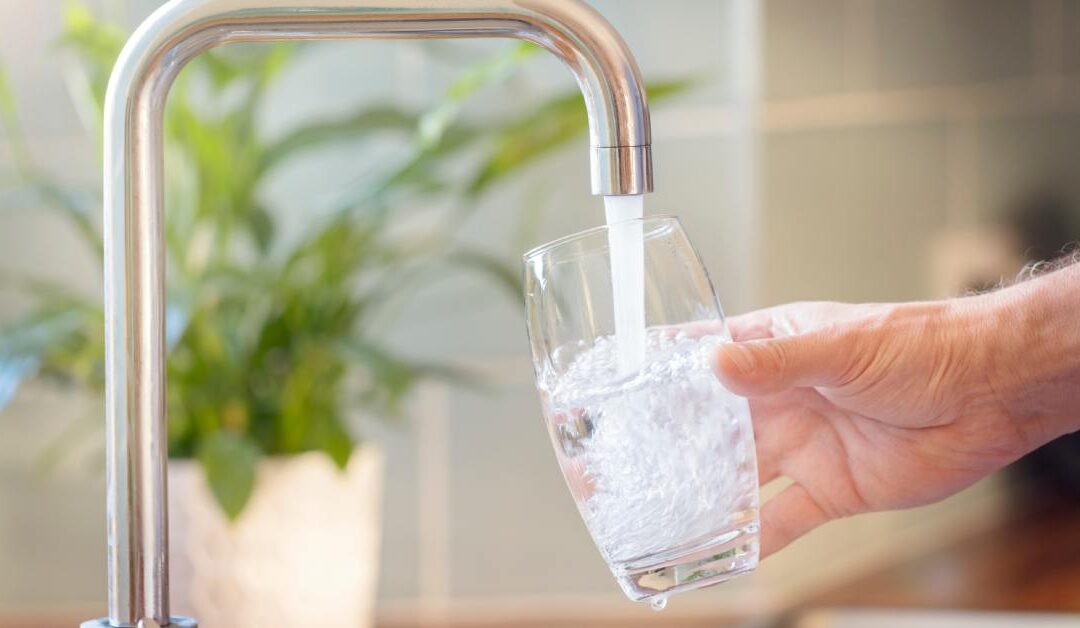
When most homeowners think about radon, they picture it entering through the soil beneath their home. But radon can also show up in your water supply, especially if you rely on a private well. This colorless, odorless gas forms naturally in the ground and can dissolve into groundwater, entering your home through faucets, showers, and appliances. Deciding whether to test your drinking water for radon depends on your water source, your indoor air quality results, and how complete you want your home safety evaluation to be.
How Radon Enters Your Water Supply
Radon enters water as it moves through soil and rock, dissolving into underground sources. This happens most often in homes that use private wells instead of treated municipal systems. Because of that, well water deserves closer attention when you’re evaluating radon risks.
When you use water inside your home, radon can be released into the air. Showering, washing dishes, and doing laundry can all allow radon to escape into your indoor environment. Over time, that added exposure can raise the levels already present in your home.
Since radon has no smell, taste, or color, testing is the only reliable way to confirm whether it’s there. Without testing, there’s no clear way to know if your water is part of the problem.
When You Should Consider Water Testing
Not every home needs water testing, but certain situations make it worth considering. If you’re weighing whether testing your drinking water for radon is necessary, start with your home’s setup and any recent test results.
You should consider testing if:
- You rely on a private well for your household water.
- Your indoor air quality test shows elevated radon levels.
- You are buying or selling a home with a well system.
- Your home has never been tested for radon in water.
- You want a clearer picture of your total radon exposure.
In most cases, testing the air quality comes first. If levels remain elevated or don’t fully make sense, water testing can help identify whether your water supply is contributing to the issue.
What To Do if Radon Is Found in Your Home’s Water
If radon shows up in your water, there are proven ways to address it. Treatment systems can remove radon before it reaches your taps, helping reduce both water and indoor air exposure.
Common solutions include aeration systems, granular activated carbon filters, and combined approaches that handle both water and air. Working with a certified professional ensures the solution fits your home. It also helps you get reliable, long-term results without unnecessary upgrades.
Take the Next Step for Safer Water and Air
Testing your drinking water for radon makes sense for homes with private wells, especially when indoor levels are elevated or unclear. Looking at both air and water gives you a more complete understanding of your home’s safety and helps you move forward with confidence.
If you want clear answers or need to confirm your system is working as expected, Affordable Radon Services is here to help. Schedule professional radon testing or a radon system inspection today and get trusted, local support focused on keeping your family safe.
Recent Comments