
Learning that your home might have high radon levels can feel overwhelming. Radon is an invisible, odorless gas that is a genuine health threat. Knowing how to read your test results is your best defense in keeping your loved ones safe. When you have a solid understanding of radon measurement units and levels, you can make smart, confident decisions for a healthier home. Since radon is the second leading cause of lung cancer—and any home can have elevated levels—this is not something to take lightly.
We’ll teach you how to decode radon test results, explain the measurement units, spell out the health risks, and walk you through the next steps to keeping your house as safe as possible.
How Does Radon Enter a Home?
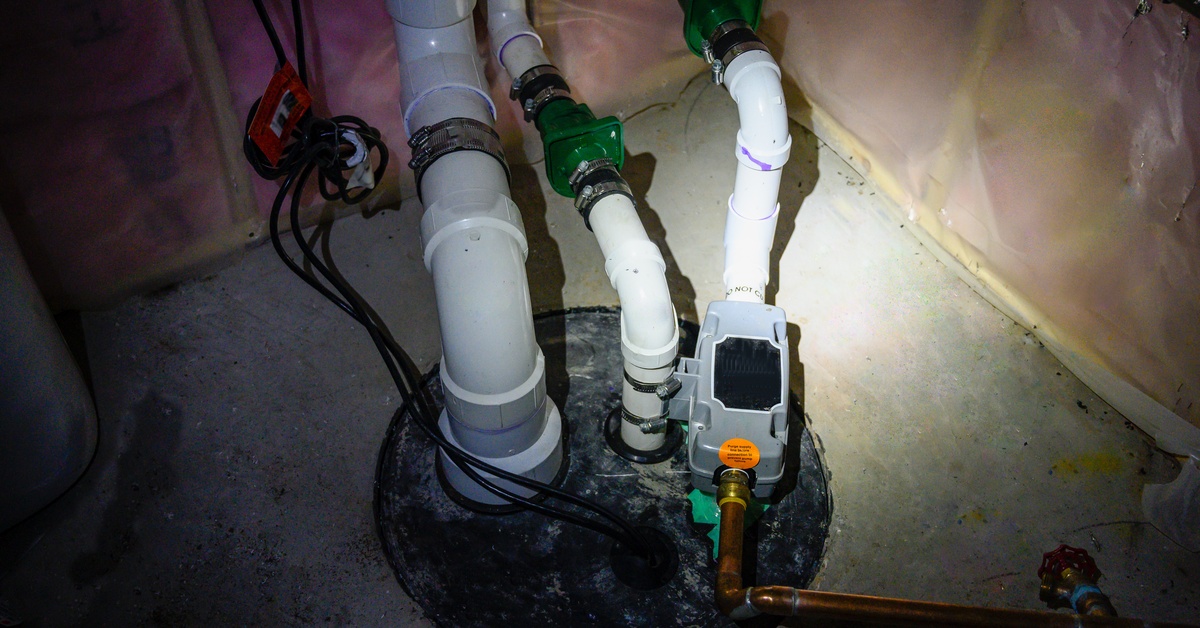
Radon comes from the breakdown of uranium in soil, rock, and water—something completely outside your control. It seeps into homes through foundation cracks, unsealed gaps, and even sump pumps.
Radon is undetectable without a test. You can’t smell, see, or taste it. It tends to sneak in where air pressure is lower inside than in the soil, which creates a vacuum that draws soil gases—and with them, radon—straight into your living spaces. Here are some typical areas radon will enter your home from.
- Foundation cracks
- Crawl spaces
- Sump pits and utility entry points
- Gaps around pipes
What Is the Measurement Unit for Radon?
Radon levels are measured in picocuries per liter, or pCi/L. The term “curie” relates to radioactivity. A “picocurie” equals one-trillionth of a curie. Essentially, pCi/L tells you how many radon atoms are breaking down in each liter of air every minute.
When the pCi/L number goes up, so does your exposure, and with it, your risk. This is the unit you’ll see on every radon test in the United States, from home kits to professional scans.
It’s easy to check your test number against the current EPA guidelines and determine where you stand.
When Should You Test for Radon?
Testing is the only way to protect your household from the hidden danger of radon. Test your home right away, especially if you’ve never done so before. If you’re moving into a new place, it should be one of your first steps. After that, a good practice is to test at least every two years.
Major changes to your home, like remodeling the basement or foundation repairs, can change how radon enters. So, retesting after home improvements is always smart. Testing keeps you informed and your family safe.
What Is a Safe Level of Radon?
There’s no such thing as a truly “safe” radon level. Radon is a cancer-causing agent, which means every bit of exposure carries some risk. Even so, the EPA established an action level so you know when the danger gets serious.
The best-case scenario would match the radon level outdoors, which averages about 0.4 pCi/L. That’s tough to realistically achieve indoors, so the aim becomes getting as close as possible.
At What Level Is Radon Dangerous?
Once your radon test hits 4.0 pCi/L, you have crossed the EPA’s action threshold. If the radon levels are at or above this point, it’s time to act. But keep in mind, exposure between 2.0 and 4.0 pCi/L is still concerning. The World Health Organization urges homeowners to take action at 2.7 pCi/L.
Here’s the main point: higher numbers equal greater risks, and even moderate levels can seriously harm your long-term health.
How Do You Interpret Radon Test Results?
Once you see your test results, you need to know how to interpret them. Your number will come in pCi/L, so compare it directly to EPA benchmarks.
- Below 2.0 pCi/L: This is a low-risk scenario. You likely don’t need to rush into action, but because there’s no “safe” level, keep a record and consider retesting down the road, especially after renovations.
- Between 2.0 pCi/L and 3.9 pCi/L: You face an elevated risk. The EPA encourages you to consider radon mitigation services. The closer you get to 4.0, the greater your sense of urgency should be.
- 4.0 pCi/L or higher: You’ve passed the EPA’s action level. Now is the time for quick, decisive steps to protect your family. Radon test results at this level should never be ignored.
What Do Different Radon Levels Mean for Your Health?
The higher your exposure and the longer it lasts, the greater your risk—especially for lung cancer. For a non-smoker, radon at 4.0 pCi/L gives you about a 7-in-1,000 chance of developing lung cancer.
Things get more dangerous if you smoke. Exposure to radon and cigarette smoke multiplies your risk, turning a serious issue into a true emergency. Lowering your home’s radon isn’t just a precaution; it’s a life-saving move.
What Happens if Radon Levels Are High?
Finding out you have high radon levels in your home probably feels unnerving, but it’s a problem you can solve. Addressing high radon levels quickly isn’t just a smart decision; it’s a critical step in protecting the health of everyone under your roof. The longer you wait, the more you risk long-term exposure that significantly increases your chance of developing lung cancer. Radon won’t go away on its own, and do-it-yourself solutions often fall short.
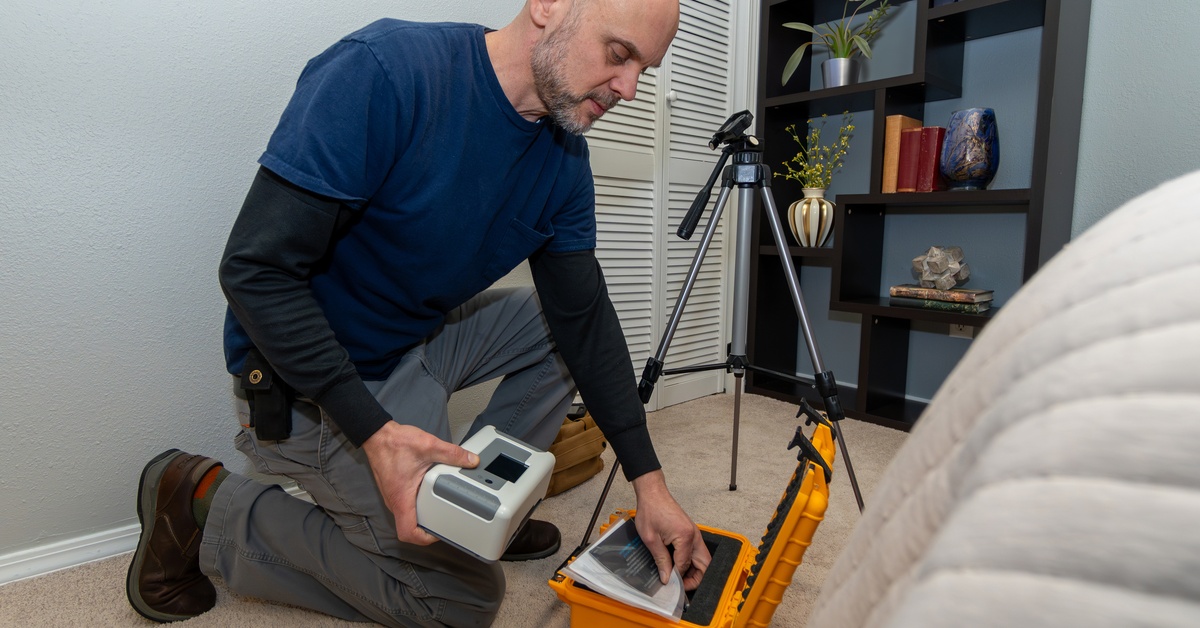
Reach out to a certified professional when your results come back indicating high radon levels. They’ll verify your original test and identify why radon is entering your home. With their expertise, you get peace of mind knowing your home will be thoroughly evaluated and the solution will be tailored to your needs.
Reliable radon mitigation options exist for every home and every budget. These include venting systems that actively pull radon from beneath the foundation and release it outdoors, where it can disperse safely. The process is proven, cost-effective, and delivers peace of mind.
How Do You Lower Radon Levels?
Certified professionals recommend active soil depressurization as the best way to reduce radon. This involves running pipes beneath your home, linked to a special fan that directs any hidden radon safely above your roofline. This process interrupts the natural flow and stops radon from ever reaching your living space. Bringing your home’s levels below the EPA standard is not only achievable, it’s a priority for your long-term health.
When you have a true understanding of radon measurement units and levels, you take control of your family’s safety. Don’t leave something this important to chance. Testing, interpreting the results, and acting appropriately is one of the most important decisions you can make for your home. Trust Affordable Radon Services’ expert team to help you every step of the way. Reach out today for a comprehensive radon assessment and personalized mitigation solutions that will keep you and your loved ones safe.
Recent Comments