
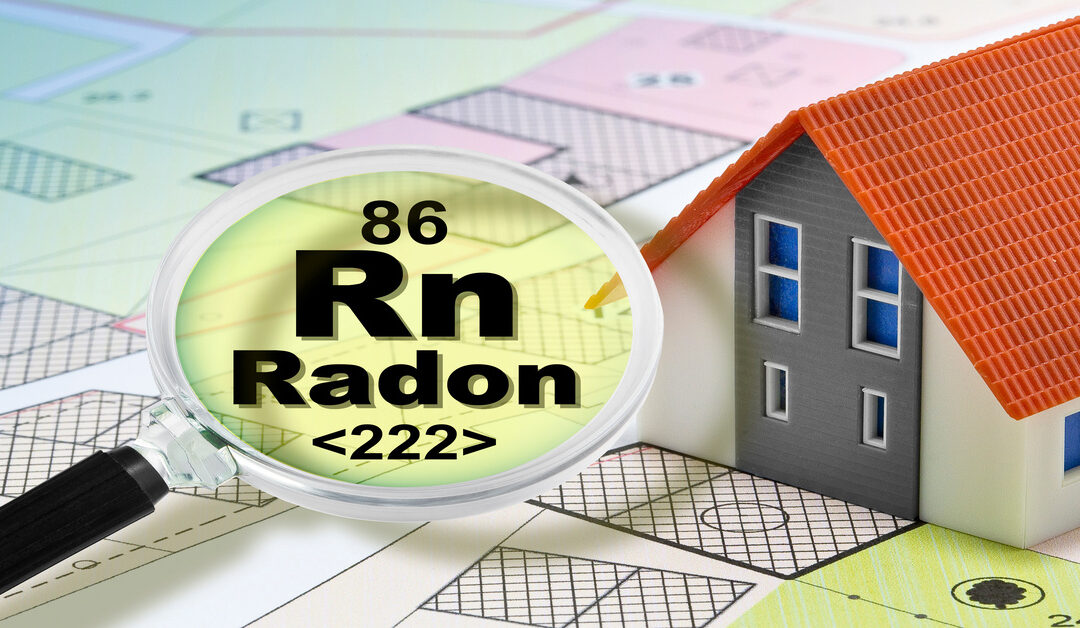
Many homeowners believe they dodge radon risks simply because their homes lack basements. Is it necessary to test for radon if you don’t have a basement? The answer is a resounding yes! Understanding why can protect your family’s health.
Radon: A Hidden Health Risk
Radon forms naturally as uranium in soil and rock that decays over time. The radioactive gas remains completely colorless and odorless. Once radon accumulates indoors, it creates serious health hazards that most homeowners never see coming.
The Environmental Protection Agency (EPA) identifies radon as the second leading cause of lung cancer in the United States. Long-term exposure dramatically increases cancer risks, especially for non-smokers. Families living in high-radon environments face these dangers daily without realizing the invisible threat surrounding them.
Can Radon Enter Homes Without Basements?
Radon doesn’t discriminate based on your home’s foundation type. This dangerous gas enters through crawl spaces, concrete slabs, gaps around pipes, and foundation cracks. Homes built on slabs or featuring crawl spaces remain just as vulnerable as those with full basements. The gas finds pathways through the smallest openings, accumulating in living spaces where families spend most of their time.
Factors That Increase the Risk of Radon
Soil composition affects radon production levels. Local geology significantly impacts your home’s exposure risk, with Colorado experiencing some of the nation’s highest radon concentrations. Home construction methods and ventilation systems also influence how radon accumulates indoors. Poor ventilation traps radon inside, while certain construction materials increase entry points.
Why Radon Testing Matters
You Can’t See or Smell Radon
Testing is the only reliable method for detecting radon in your home. Many homeowners develop false confidence when they lack basements, delaying critical action that could save lives. This misconception prevents families from addressing serious health risks lurking beneath their feet.
High Radon Levels Are Common in Colorado
The EPA recommends testing every home in high-radon areas, regardless of basement presence. Colorado’s geological conditions create elevated radon risks throughout the region, making testing essential for all homeowners. The answer to the question of whether you should test for radon if you don’t have a basement is made obvious by Colorado’s radon statistics.
What To Do If Your Home Has High Levels of Radon
Professional radon mitigation systems work effectively in slab-on-grade homes and crawl spaces. Experienced technicians install these systems to redirect radon safely away from living areas. Additional protective measures include crawl space sealing and vapor barriers that block entry points.
Professionals who specialize in radon mitigation in Denver, CO, understand local risks and can provide effective solutions. They’ll properly install systems tailored to the state’s conditions and your home’s features.
Protect Your Family
Every home needs radon testing. Don’t let basement misconceptions compromise your family’s safety and health. Schedule professional radon testing today, and take the first step toward making your home a safe environment.
Recent Comments