
Radon is a silent, invisible threat that can enter your home from the soil beneath it. Protecting your family from this dangerous gas should always be a priority. One of the most important safeguards you can use is a high-quality vapor barrier, but many homeowners wonder if thickness matters for their radon vapor barrier. While the barrier’s thickness is important, it isn’t the only detail that counts.
Why the Right Vapor Barrier Is More Than Just Plastic
A vapor barrier designed for radon protection is not the same as ordinary plastic sheeting you’d find at a hardware store. While most plastic sheets help with moisture, stopping radon requires material that’s engineered specifically to block gas molecules. High-density polyethylene made for radon resistance offers real security that regular sheets just can’t provide.
The main job of a radon barrier is to keep toxic gas out by blocking its path between the ground and your living spaces. This line of defense matters deeply, especially when you consider the real health risks that come from long-term radon exposure. Choosing the right material isn’t just a technical step; it’s a necessary move for your family’s well-being.
Does Thickness Make a Real Difference?
The thickness of your vapor barrier, measured in mils, goes hand-in-hand with how durable and dependable it will be. Thicker barriers do a better job resisting punctures during installation and holding up over time. Even a tiny tear can leave an opening for radon to slip through, undermining your entire system.
Still, thickness is only one part of the picture. The barrier’s material is just as important. A thinner, well-made, cross-laminated barrier can outperform a thicker, lower-grade sheet any day. Always check for barriers that meet or beat ASTM E1745 standards. These rules ensure you’re working with quality material that’s fit for the job.
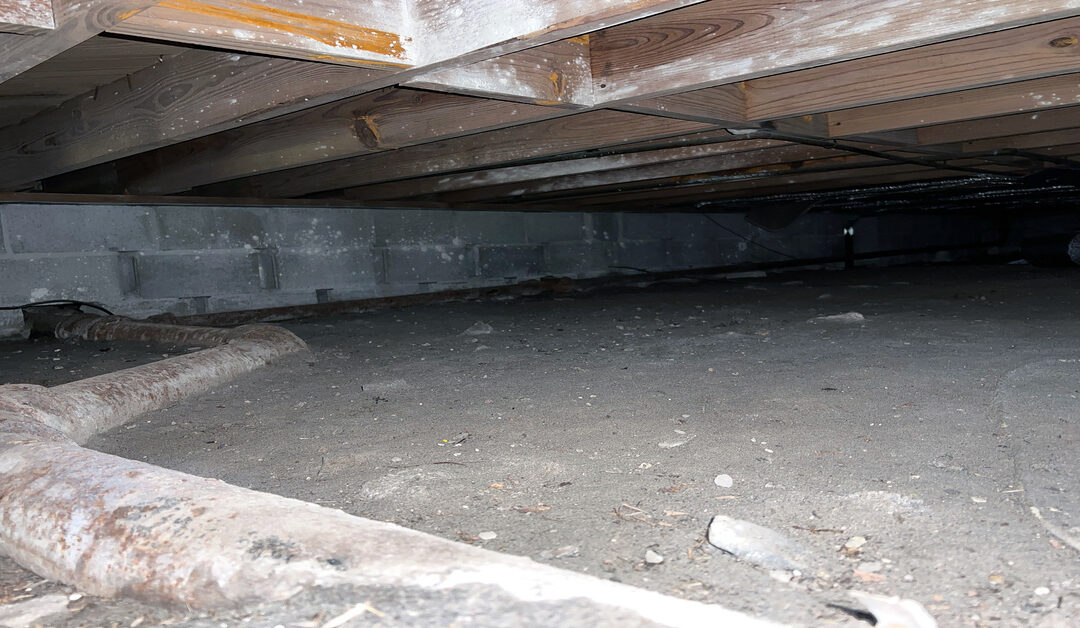
If your home has an unfinished crawl space, using a strong, professional-grade barrier is non-negotiable. This is where radon mitigation crawl space services show real value. Specialists make sure you get the right materials and they handle the careful installation, paying close attention to sealing and the fine details. Their expertise is what brings true peace of mind.
What Else Matters Besides Thickness?
Thickness matters, but so do several other key factors when it comes to effective vapor barriers:
- Material Quality: A superior barrier should use 100% virgin resin to block radon, not recycled plastics that can have pores or weaknesses.
- Resistance To Damage: The barrier should stand up to everyday hazards and hold strong over time.
- Proper Seals: Every seam and penetration, including spots around pipes or supports, needs professional-grade tape and attention to detail to ensure a leak-proof layer.
So, it’s clear that thickness does matter for radon vapor barriers. A thicker barrier gives lasting durability, but it works best alongside other essentials like top-notch material and a professional installation. When everything is done right, your barrier becomes a fortress, keeping your family safe from radon exposure. At the end of the day, it’s always best to leave it to the trusted pros to make sure your home gets the protection it deserves.
Recent Comments