
by Terry | Oct 9, 2026 | Blog
A high radon test result leaves you with an important next step: finding a qualified professional who can reduce the radon levels in your home. Knowing what to look for can help you compare companies based on their qualifications, service, and long-term support. These...
by Terry | Sep 18, 2026 | Blog
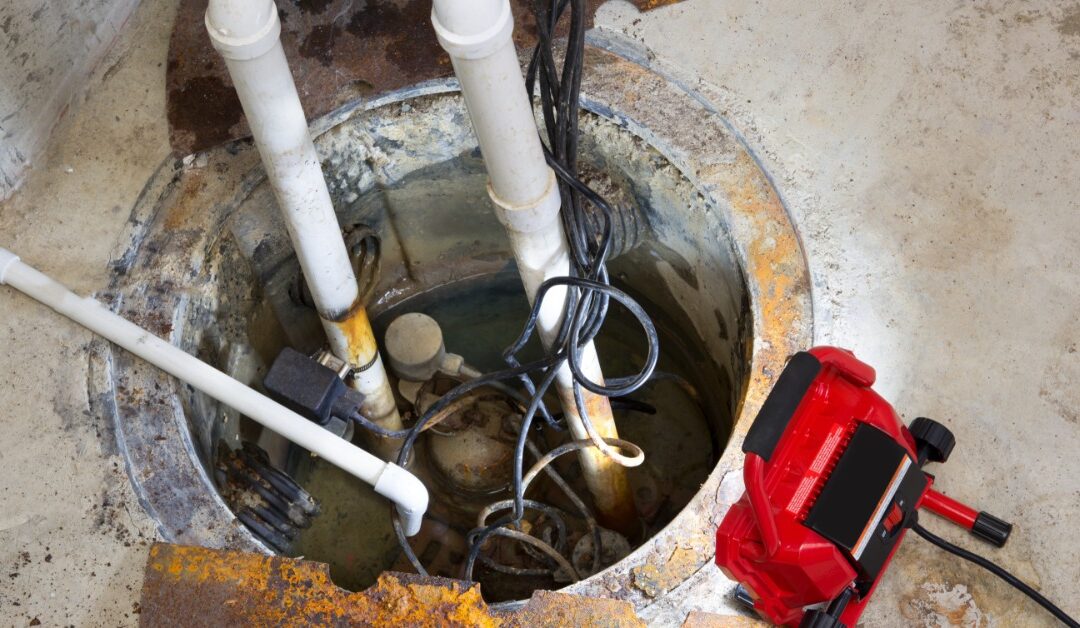
A little water on the basement floor after a hard storm may not seem urgent. But if damp spots or puddles keep coming back, the problem deserves a closer look. Recognizing the signs you need a sump pump in your basement can help you address recurring moisture issues...

by Terry | Sep 15, 2026 | Blog
Those small vents around your foundation are easy to ignore until the crawl space feels damp or a radon test raises questions. Whether your crawl space vents should be open or closed depends on more than outdoor temperature or airflow. The way the space is sealed can...

by Terry | Sep 4, 2026 | Blog
If you’re testing your home for radon, you may wonder how long the test really needs to run. Choosing between short-term and long-term radon testing depends on whether you need results quickly or want a broader picture of your home’s average radon levels....

by Terry | Aug 26, 2026 | Blog
A radon mitigation system may look simple from the outside, but the fan is a crucial part that keeps air moving through it. Understanding the role of radon fans in mitigation systems helps homeowners see why proper installation and continuous operation matter. By...

by Terry | Aug 17, 2026 | Blog
Spotting a radon system during a home tour can be surprising, especially if you have never seen one before. You may wonder whether you should buy the house or consider the equipment as a warning sign. In many cases, the system shows that a previous radon concern was...
by Terry | Aug 3, 2026 | Blog
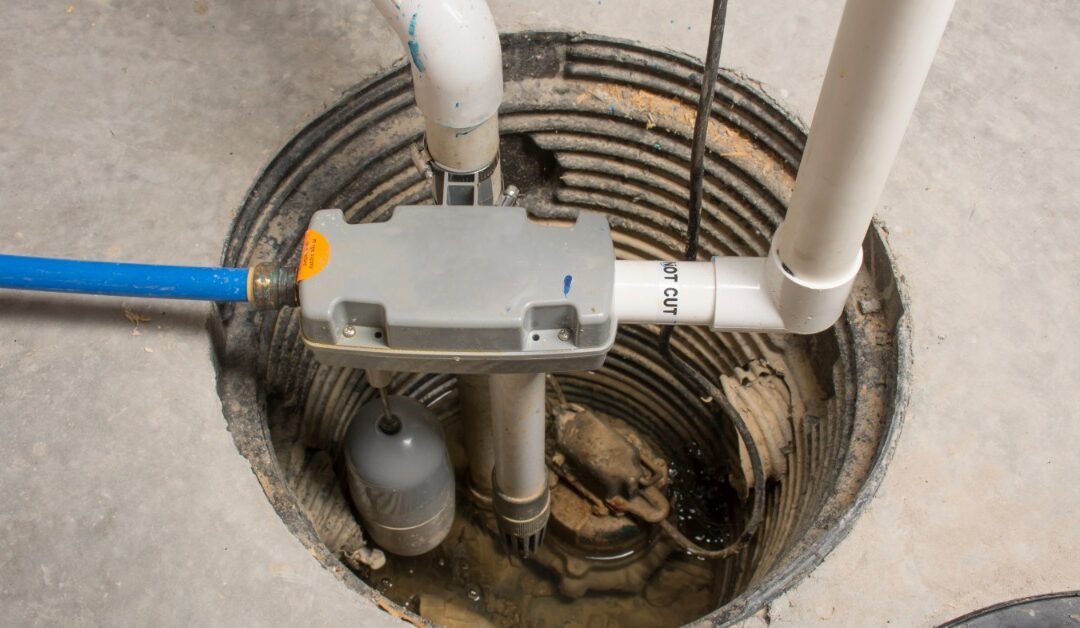
A sump pump is easy to forget until water starts moving toward your foundation. During heavy rain or fast snowmelt, that small pump helps move water out of the sump pit before moisture spreads through your basement or crawl space. Our quick guide to testing your...
by Terry | Jul 17, 2026 | Blog
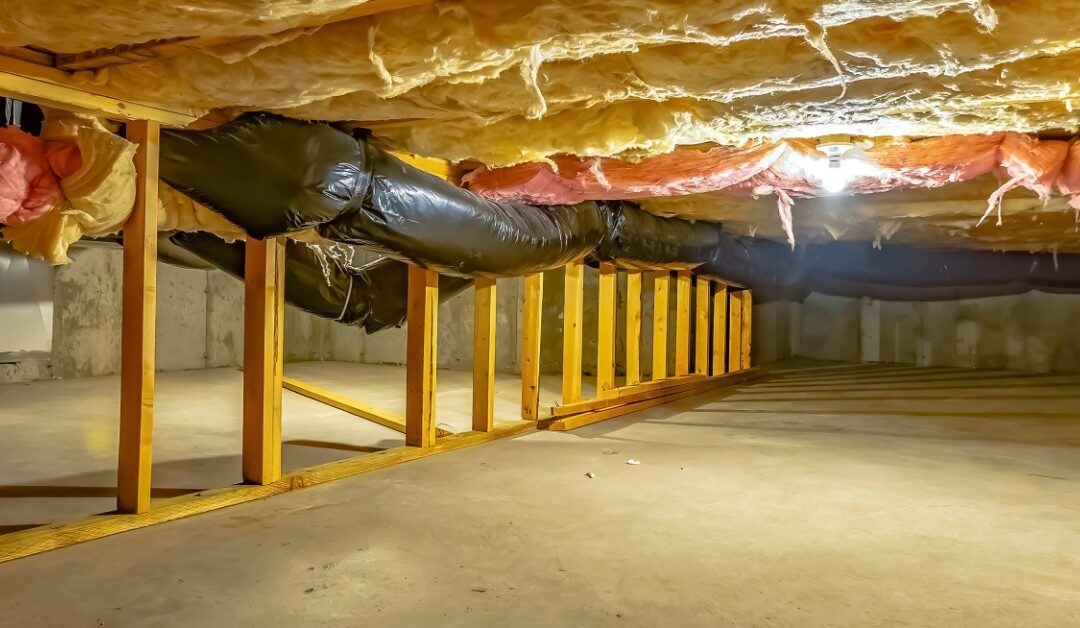
If your crawl space has damp soil, musty air, or elevated radon levels, you may hear two solutions mentioned often: vapor barriers and encapsulation. They sound similar, but they do not offer the same level of protection. Understanding the key differences between...

by Terry | Jun 9, 2026 | Blog
Renovations can make your home feel safer and more comfortable. But changes to your foundation, crawl space, or ventilation can also change how radon moves indoors. Radon is an odorless soil gas, and testing is the only way to know your current level. That’s why the...

by Terry | May 15, 2026 | Blog
If you’re wondering whether sealing a basement helps reduce radon levels, you’re asking an important question. Many homeowners notice cracks in the floor or gaps around pipes and assume sealing those areas will completely solve the problem. While sealing can help...

Recent Comments