
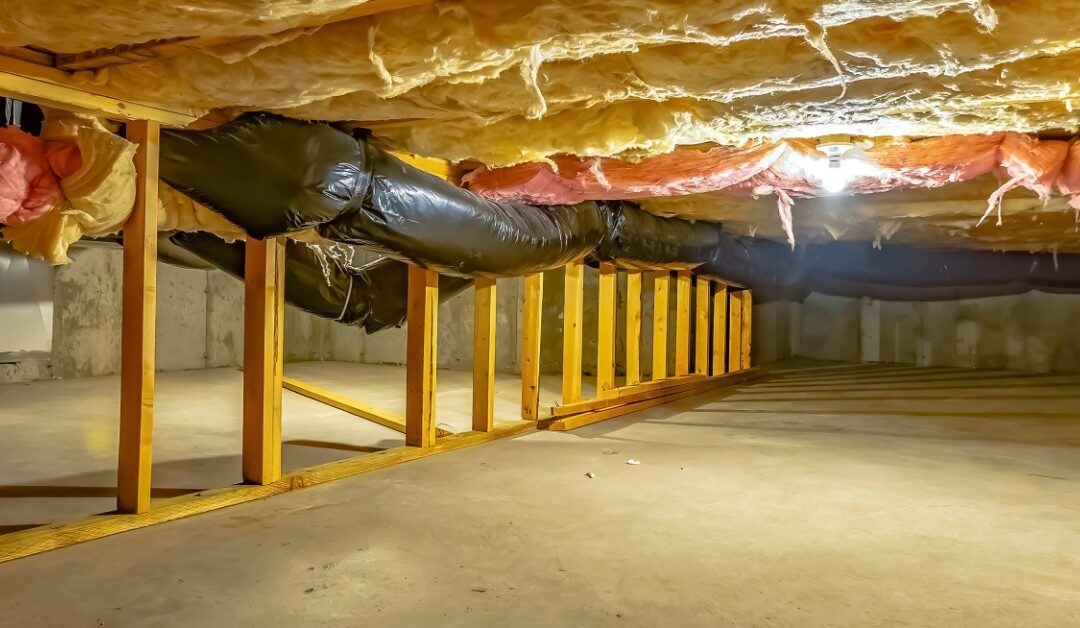
If your crawl space has damp soil, musty air, or elevated radon levels, you may hear two solutions mentioned often: vapor barriers and encapsulation. They sound similar, but they do not offer the same level of protection. Understanding the key differences between vapor barriers and encapsulation can help you choose the right fit for your home and budget.
Coverage Differs by How Much Gets Sealed
A vapor barrier is a durable sheet installed over the soil in a crawl space. Its main job is to slow moisture movement from the ground into the space beneath your home. When installed well, it can make the crawl space cleaner, drier, and easier to maintain.
Encapsulation covers more than the soil. It usually includes sealing the crawl space floor, walls, vents, seams, and access points. Instead of only blocking ground moisture, encapsulation creates a more controlled space under the home.
That extra coverage matters when your crawl space has several open pathways for moisture or soil gases. A basic vapor barrier can be a smart improvement, but encapsulation offers broader protection when the crawl space needs a more complete seal.
Installation Differs by Materials and Detail
A vapor barrier installation focuses on laying and securing the liner across the crawl space floor. A professional installer also pays close attention to seams and edges, so the material stays in place and performs as intended.
Encapsulation takes more time because it uses more materials and requires careful sealing. The goal is to close off the crawl space from outside air and exposed soil as much as possible.
A full encapsulation project may include:
- Heavy-duty floor liners
- Wall liners along the crawl space perimeter
- Sealed vents and access doors
- Sealed seams around supports and penetrations
Because encapsulation includes more detail, it is usually the more involved project. It can also be the better option when moisture, odor, or air movement has been a recurring issue.
Radon Protection Differs by System Design
Radon is a colorless, odorless gas that can move from the soil into your home through gaps and foundation openings. The Environmental Protection Agency (EPA) recommends taking action when a home tests at 4.0 pCi/L or higher.
A radon mitigation vapor barrier can help reduce soil gas entry points in a crawl space. However, the barrier itself is not always a complete mitigation solution. Radon control depends on testing, proper sealing, system design, and safe venting.
Encapsulation can support stronger radon control because it seals more of the crawl space environment. In homes with elevated radon levels, certified professionals may pair encapsulation with an active mitigation system that draws radon from beneath the home and vents it outdoors.
The Right Crawl Space Choice Starts With Testing
The key differences between a vapor barrier and encapsulation come down to how much protection your crawl space needs. A vapor barrier can be a reliable first step, while encapsulation offers a more complete solution when conditions call for it.
Affordable Radon Services helps homeowners in Aurora, the Denver Metro Area, and surrounding communities choose effective crawl space protection with safety in mind. Contact our certified local experts for radon testing, crawl space sealing, vapor barrier installation, or mitigation support that helps keep your family safe.
Recent Comments