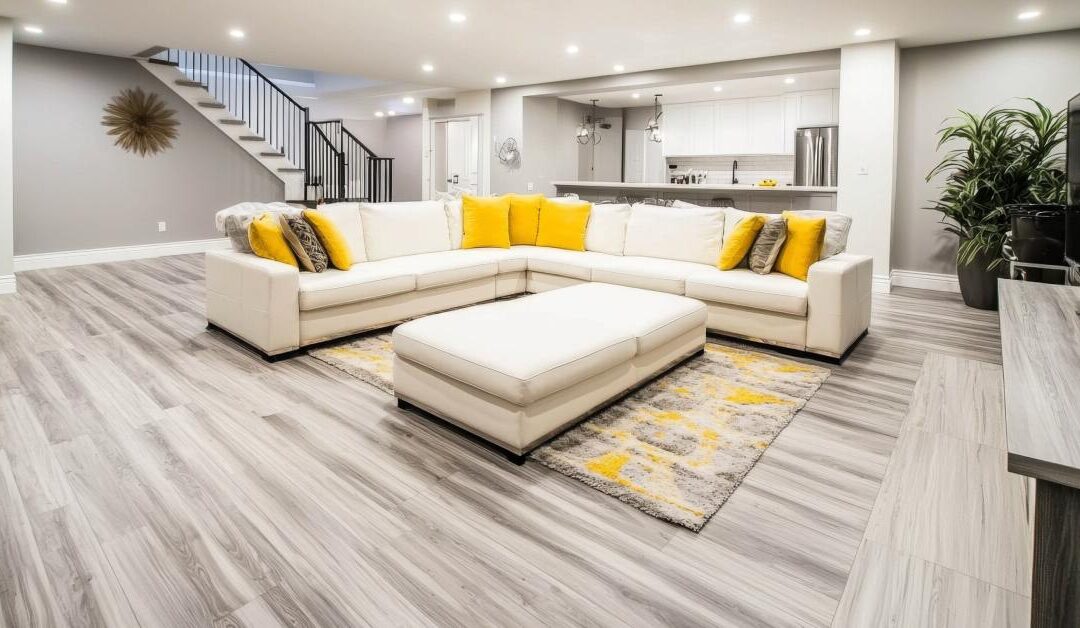
Finishing a basement adds valuable living space, whether it becomes a family room, home office, or guest area. But that extra living space sits closest to the soil beneath your home, where radon comes from. Radon is a colorless, odorless gas that develops naturally underground and can enter homes through cracks and openings in the foundation.
If you’re researching radon mitigation options for finished basements, you’ll be relieved to know effective solutions exist that won’t require tearing apart your finished space. With the right system and a certified professional, homeowners can lower radon levels while keeping their basement comfortable and functional.
Why Finished Basements Still Need Radon Mitigation
A finished basement may look tightly sealed, but radon can still move through small openings in the foundation. Cracks in the slab, gaps around plumbing lines, and unfinished joints in concrete walls can allow soil gases to enter the home.
Because radon has no smell or color, it can build up without obvious warning signs. Testing is the only reliable way to know your home’s levels and whether mitigation is needed.
How Radon Mitigation Systems Work in Finished Basements
Most homes reduce radon using a method called active soil depressurization (ASD). This system creates suction beneath the foundation to pull radon gas from the soil and vent it safely outside before it enters the home.
Even when a basement is finished, installers can usually access the slab through areas like utility rooms, closets, or other discreet locations. A pipe connects the suction point to a specialized fan that runs continuously to redirect radon outdoors.
What Are Common Radon Mitigation Options for Finished Basements?
When homeowners begin exploring radon mitigation options, the right solution depends on the home’s layout, foundation design, and current radon levels. A certified radon professional evaluates these factors before recommending the most effective approach.
Common system configurations include:
- Sub-slab depressurization systems that pull radon from beneath the concrete foundation
- Exterior vent pipe installations that keep most system components outside the home
- Interior vent systems placed in closets, mechanical rooms, or utility spaces
- Sealing cracks and openings in the foundation to improve system performance
With proper design, most finished basements can have effective mitigation installed with minimal disruption.
Why Professional Installation Matters
Radon mitigation systems work best when designed specifically for your home. Soil conditions, the foundation layout, and airflow patterns all influence how radon moves indoors.
Working with a certified professional helps ensure the system is properly planned and installed. A well-designed system runs quietly in the background while helping maintain safer indoor air for years.
Protecting Your Finished Basement Without Major Renovations
Many homeowners worry that installing a radon mitigation system means tearing apart their finished space. Modern systems integrate seamlessly with minimal disruption. Installers use small access points in utility rooms or closets, and the system runs quietly while keeping your family safe.
Because radon is colorless and odorless, testing is the only way to know if mitigation is needed—and when it is, it can be done without compromising the comfort you’ve built.
Affordable Radon Services provides certified radon testing and professional mitigation for homeowners throughout Colorado. Contact our trusted local experts to schedule testing or discuss the right mitigation solution for your home.
Recent Comments